Martina takes the pictures, Thomas asks the questions. Together, they developed and have been working on Brotherland for over three years.
Martina was born and grew up in Italy. Thomas was born and grew up in a state that no longer exists, the GDR. They now both live in Berlin.
Thomas has worked as a streetworker and educator. Martina holds a BA in Modern and Contemporary History, attended Lisa Barnard’s masterclass and has exhibited her photographic works internationally. They both currently work as bouncers in Berlin’s nightlife scene.
Brotherland has been exhibited at Castelnuovo Fotografia (Italy), Les Boutographies and Hors le Murs (France), Fusion Festival and shortlisted for Format Festival, Duke Collection Awards and Athens Photo Festival. In Germany, it has been exhibited in various cities including Rostock, Dresden and Berlin.
Brotherland (2024)
Brotherland is a multimedia investigation into racism, nationalism, and broken dreams.
Focusing on racism against “Vertragsarbeiter” – contract workers from socialist countries, the so-called “brotherlands” such as Angola, Mozambique and Vietnam – the project traces their arrival in the GDR in the 1980s through to the period following the fall of the Berlin Wall.
On November 9, 1989, the Berlin Wall fell and one year later Germany was reunified. For many, it was a celebration, the achievement of freedom and the realization of something long dreamed of; for others, it was the beginning of a time marked by violence and fear. As is often the case, History has at least two sides.
In 1991, a dormitory for Vertragsarbeiter in Hoyerswerda was attacked over the course of several days. At times, a crowd of up to 500 onlookers stood in front of the homes, and it was from this crowd that the attackers emerged. In 1992, in Rostock-Lichtenhagen, the dormitory for former Vietnamese contract workers and the asylum seekers’ reception center were attacked for five consecutive days. Stones and Molotov cocktails flew, hitting the buildings and the people inside. Several hundred neo-Nazis and up to 3,000 applauding spectators took part in the pogrom.
Like all the right-wing extremist attacks of the 1990s, those of Hoyerswerda and Rostock were expressions of racist and nationalist attitudes that later led to the homicidal terror of the so-called NSU (a German neo-Nazi terrorist group, responsible for murders and bombings).
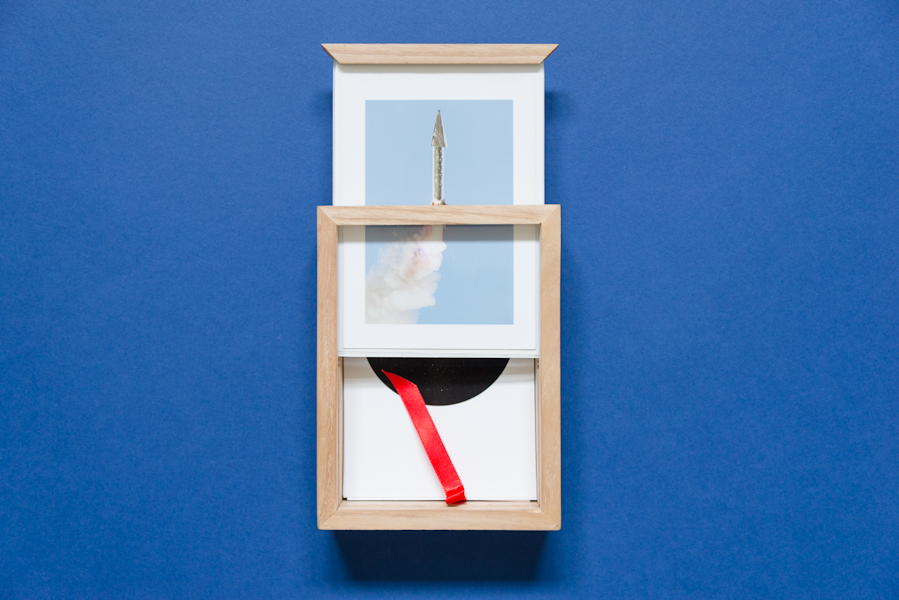
Brotherland explores the complexities of this period and its legacy through photographs, archive material, portraits, interviews and texts.